
Reflexology for foot pain-10 minute routine- Foot Dr. Magic
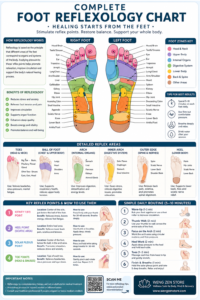
Reflexology for Foot Pain: A Complete Guide to Relief, Healing, and Whole-Body Balance
Introduction
Reflexology for foot pain and tension is a popular way of relieving the symptoms that are among the most common complaints in modern life. Whether caused by long hours standing, poor footwear, exercise strain, or underlying muscular imbalances, the feet often carry more stress than we realize. One increasingly popular and holistic approach to addressing this discomfort is reflexology.
Reflexology for foot pain is more than just a foot massage—it’s a structured therapeutic method rooted in the idea that specific areas of the feet correspond to organs and systems throughout the body. By stimulating these areas, reflexology aims to promote relaxation, improve circulation, and support natural healing processes.
This Reflexology for foot pain guide defined what reflexology is, how it helps with foot discomfort, what areas of the body can refer pain into the feet, and practical techniques you can use right away.
What Is Reflexology?
https://health.clevelandclinic.org/reflexology
Reflexology is a therapeutic practice based on the principle that certain points on the feet, hands, and ears correspond to different organs and systems in the body. These areas are known as “reflex points.”
Practitioners apply targeted pressure to these points to:
Stimulate the nervous system
Improve blood flow
Release tension
Encourage the body’s natural healing response
Unlike general massage, reflexology follows a mapped system. For example with reflexology for foot pain:
The toes correspond to the head and brain
The arch represents internal organs
The heel connects to the lower back and pelvic region
While reflexology for foot pain is not a replacement for medical treatment, it is widely used as a complementary therapy.
Reflexology for foot pain helps?
Foot tension doesn’t just come from the feet—it often reflects stress throughout the entire body. Reflexology for foot pain helps by addressing both local and systemic causes.
1. Improves Circulation
Applying pressure to reflex points stimulates blood flow, delivering oxygen and nutrients to fatigued tissues. Better circulation helps:
Reduce inflammation
Speed up recovery
Decrease soreness
2. Releases Muscle Tightness
Many small muscles in the foot become tight due to overuse or poor biomechanics. Reflexology for foot pain techniques help:
Loosen tight fascia
Reduce stiffness
Restore mobility
3. Reduces Nervous System Overload
Foot tension is often tied to stress. Reflexology for Foot Pain activates the parasympathetic nervous system (rest-and-digest mode), which helps:
Lower stress hormones
Improve relaxation
Decrease pain perception
4. Breaks the Pain Cycle
Chronic foot pain can create a feedback loop—pain leads to guarding, which leads to more tension. Reflexology for foot pain interrupts this cycle by:
Stimulating nerve pathways
Resetting muscle tone
Improving body awareness
Understanding Referred Pain to the Foot
One of the most overlooked aspects of foot pain is that it doesn’t always originate in the foot itself. This is called referred pain.
Common Sources of Referred Pain
1. Calf Muscles (Gastrocnemius and Soleus)
Tight calves can refer pain into:
The heel
The arch
The bottom of the foot
This is a major contributor to plantar fasciitis-like symptoms.
2. Hamstrings
Tight hamstrings can alter posture and weight distribution, increasing strain on the feet.
3. Sciatic Nerve
Compression in the lower back or hips can cause:
Tingling in the feet
Burning sensations
Radiating pain
4. Lower Back
The lumbar spine plays a key role in nerve supply to the feet. Dysfunction here can create:
Chronic foot discomfort
Weakness or instability
5. Hip Imbalances
Poor hip alignment changes walking mechanics, leading to:
Over pronation or supination
Uneven pressure on the feet
Reflexology for foot pain Map (Key Areas)
Understanding the reflexology for foot pain map helps you apply pressure more effectively.
Toes (Head and Brain)
Big toe: brain and pituitary gland
Other toes: sinuses and head
Useful for:
Headaches
Mental tension
Sinus pressure
Ball of the Foot (Chest and Upper Body)
Lungs
Heart
Shoulders
Useful for:
Upper body tension
Shallow breathing patterns
Arch (Digestive Organs)
Stomach
Liver
Pancreas
Kidneys
Useful for:
Digestive discomfort
Stress-related tension
Heel (Lower Back and Pelvis)
Sciatic nerve
Lower spine
Pelvic region
Useful for:
Lower back pain
Sciatic tensionreflexology for Foot Pain
Here some of the most effective points to target.
1. Kidney 1 (K1) Point
Location: Center of the sole, just below the ball of the foot
Benefits:
Grounds the body
Reduces stress
Relieves foot fatigue
Technique:
Apply firm thumb pressure for 30–60 seconds
Use slow circular motions
2. Heel Reflex (Sciatic and Lower Back Area)
Location: Entire heel region
Benefits:
Reduces lower back tension
Helps with sciatic pain
Technique:
Use knuckles or thumbs
Apply deep, steady pressure
3. Solar Plexus Point
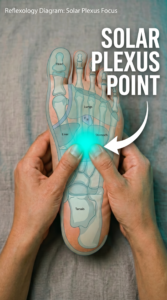
Location: Center of the foot, slightly below the ball
Benefits:
Promotes deep relaxation
Reduces stress and anxiety
Technique:
Press and hold while taking deep breaths
4. Toe Tips (Head and Sinuses)
Benefits:
Relieves headaches
Reduces sinus pressure
Technique:
Gently pinch and rotate each toe Reflexology for foot pain Massage Techniques
These techniques can be used at home or integrated into your product content.
1. Thumb Walking
This is the foundation of reflexology.
How to do it:
Use your thumb to “walk” along the foot
Bend and straighten your thumb in small increments
Best for:
Covering large areas
Stimulating reflex zones
2. Finger Rotation
How to do it:
Place your thumb on a point
Rotate in small circles
Best for:
Targeting specific pressure points
3. Hook and Back-Up Technique
How to do it:
Press into a point
Slightly hook your thumb and pull back
Best for:
Deep tension release
Chronic tight spots
4. Knuckle Pressure
How to do it:
Use your knuckles for deeper pressure
Best for:
Thick tissue areas like the heel
5. Rolling Technique
How to do it:
Roll the foot between your hands
Best for:
Warming up the foot
Improving circulation
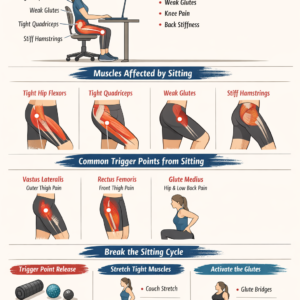
Combining Reflexology for foot pain with Trigger Point Therapy
Reflexology for foot pain works best when combined with trigger point release.
What Are Trigger Points?
Trigger points are tight knots in muscle tissue that can refer pain elsewhere.
Common Foot-Related Trigger Points
Calf muscles → heel pain
Peroneals (outer leg) → lateral foot pain
Tibialis posterior → arch pain
Strategy
Release the trigger point (calf, leg, etc.)
Follow with reflexology for foot pain.
Finish with stretching
This layered approach produces better results than using reflexology alone.
Reflexology for foot pain benefits are both local and systemic.
Physical Benefits
Reduces foot pain and tension
Improves circulation
Enhances mobility
Supports recovery from strain
Nervous System Benefits
Promotes deep relaxation
Reduces stress and anxiety
Improves sleep quality
Whole-Body Benefits
Supports organ function
Improves energy levels
Encourages balance (homeostasis)
Reflexology for Specific Foot Conditions
Plantar Fasciitis
Focus on:
Heel
Arch
Calf trigger points
Flat Feet
Focus on:
Arch stimulation
Strengthening intrinsic foot muscles
High Arches
Focus on:
Gentle pressure
Improving circulation
General Foot Fatigue
Focus on:
Full-foot reflexology routine
Kidney and solar plexus points
10-Minute Reflexology Routine
This is great reflexology for foot pain routine:
Warm up the foot (1–2 minutes)
Thumb walk across the entire sole (2 minutes)
Focus on arch (digestive area) (2 minutes)
Apply pressure to heel (2 minutes)
Work each toe individually (1–2 minutes)
Finish with solar plexus point breathing (1 minute)
Integrating Reflexology for foot pain with Modern Recovery Tools
Reflexology for foot pain pairs extremely well with:
Foot rollers
Compression tools
Heat therapy
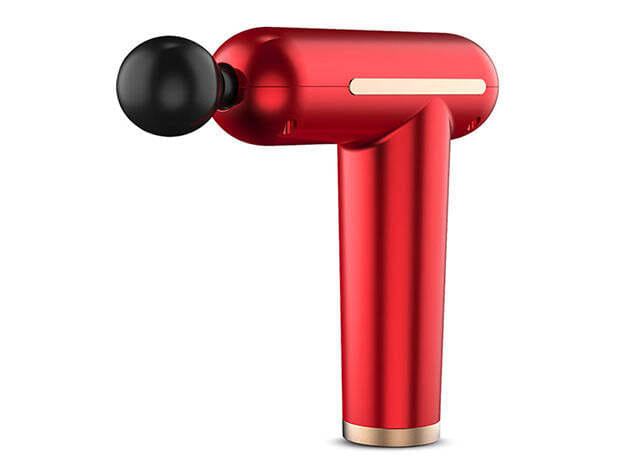
Example of Massage Gun: https://www.wengzenstore.com/product/color-red-mighty-massager-deep-tissue-massage-tool/
Use a massage gun on the calves
Follow with reflexology for foot pain
That combination addresses both the source and the symptom.
Final Thoughts:
Reflexology for foot pain is simple, powerful, and accessible. It doesn’t require expensive equipment or advanced training to get started, yet it offers meaningful relief for foot tension and pain.
The key is consistency. One session feels good—but regular practice creates lasting change.
If you want real results:
Address the whole chain (calves, legs, posture)
Use targeted reflexology for foot pain techniques
Stay consistent
That’s how you move from temporary relief to long-term recovery.
For educational purposes only. See a healthcare provider if pain is persistent
Created with AI assist
Shop With Confidence ✔ 30-Day Money-Back Guarantee ✔ Safe & Secure Checkout ✔ Real Customer Support ✔ Quality You Can Trust