
Foot pain relief
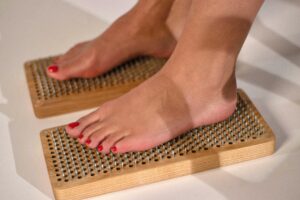
Foot pain Is a Systemic Problem
A practical, whole-system approach using muscles, trigger points, acupressure, massage, and movement
Foot pain is rarely just a “foot problem.” It’s often the end result of tension patterns that run through the entire lower body—especially the calves, ankles, and even the hips. If you only treat the surface (like rubbing the sore spot), relief will be temporary. The real solution comes from addressing tension, circulation, and movement together.
Foot Pain Guide
This guide walks through a professional, yet accessible approach to relieving foot tension and pain using multiple techniques that actually work.
Foot Pain Anatomy & Physiology
Understanding Why Feet Become Painful
Your feet contain over 100 muscles, tendons, and ligaments working together to support your entire body. When any part of that system becomes overloaded or restricted, pain develops.
Common contributors include:
Tight calf muscles (especially gastrocnemius and soleus)
Weak or inactive foot stabilizers
Poor footwear or prolonged standing
Trigger points referring pain into the foot
Reduced circulation and tissue mobility
Conditions like plantar fasciitis, arch pain, and heel pain often stem from these underlying issues—not just local inflammation.
Key Muscles Involved in Foot Tension
Before treating pain, it helps to know where it’s coming from.
1. Plantar Fascia
This thick band runs along the bottom of the foot. When overloaded, it becomes irritated and tight.
2. Intrinsic Foot Muscles
Small stabilizing muscles that support the arch. Weakness here leads to collapse and strain.
3. Calf Muscles (Gastrocnemius & Soleus)
Tight calves restrict ankle mobility, forcing the foot to compensate—often causing heel or arch pain.
4. Tibialis Posterior
Supports the arch. Dysfunction here can lead to flat feet and chronic strain.
Trigger Points That Refer Pain to the Feet
Trigger points are one of the most overlooked causes of foot pain. These tight knots in muscle tissue can refer pain far from where they’re located.
Common referral patterns include:
Calf trigger points → heel pain or arch pain
Peroneal muscles → outer foot pain
Tibialis anterior → top of foot pain
Key insight: If you only treat the foot and ignore the calf, you’re missing a major piece.
Acupressure Points for Foot Pain
Acupressure offers a simple, non-invasive way to reduce tension and improve circulation.
1. Kidney 1 (K1 – Yongquan)
Location: Center of the sole (front third of the foot)
Benefit: Reduces overall foot tension and promotes relaxation
2. Bladder 60 (Behind the ankle)
Location: Between Achilles tendon and ankle bone
Benefit: Relieves heel pain and stiffness
3. Liver 3 (Top of foot)
Location: Between first and second toes
Benefit: Reduces tension and improves energy flow
How to apply:
Use firm, steady pressure for 30–60 seconds
Breathe slowly while applying pressure
Repeat 2–3 times per point
Massage Techniques That Actually Works to relieve Footpain?
Massage is most effective when it targets both the foot and the connected tissues above it.
1. Ball Roll Technique
Use a lacrosse ball or tennis ball
Roll under the arch slowly
Pause on tender spots (trigger points)
Tip: Don’t rush this. Slow pressure creates real change.
2. Thumb Stripping (Plantar Fascia)
Use your thumbs to glide from heel to toes
Apply moderate pressure
Repeat for 1–2 minutes
3. Calf Release (Critical Step)
Sit or stand
Use hands or a massage tool to press into tight calf areas
Focus on tender knots
This is where most people fall short. If you skip the calves, you’ll limit your results.
Exercises to Relieve and Prevent Foot Pain
Massage alone isn’t enough—you need to restore function.
1. Toe Spreading & Activation
Sit barefoot
Spread toes apart as wide as possible
Hold for 5–10 seconds
Repeat 10 times
Why it matters: Activates intrinsic foot muscles and improves stability.
2. Calf Stretch (Straight & Bent Knee)
Lean into a wall
Keep heel down
Hold 30 seconds each position
Straight knee = gastrocnemius
Bent knee = soleus
3. Short Foot Exercise
Pull the arch upward without curling toes
Hold 5–10 seconds
Repeat 10–15 times
This retrains proper foot mechanics.
4. Heel Raises (Controlled)
Rise slowly onto toes
Lower slowly
10–15 reps
Progress to single-leg for strength.
Daily 5 Minute Foot Health Reset Routine
If you want real results, consistency beats intensity.
Simple routine:
Ball roll (1–2 minutes)
Calf release (1 minute)
Toe activation (1 minute)
Calf stretch (1 minute)
That’s it. Done daily, this can significantly reduce chronic tension.
Practical Advice Most People Ignore
Shoes matter more than you think: Narrow or overly cushioned shoes can weaken foot muscles over time
Movement is medicine: Sitting or standing too long without variation increases tension
Pain is often upstream: Treat the calf and ankle—not just the foot
Consistency wins: Occasional deep work won’t outperform daily light work
When to Be Cautious
Seek professional evaluation if you experience:
Sharp, worsening pain
Numbness or tingling
Swelling that doesn’t improve
Pain after injury
Final Takeaway
Foot pain isn’t random—it’s a predictable result of tension, weakness, and poor movement patterns. The good news is that with the right approach, most people can significantly reduce or even eliminate it.
If you focus on:
Releasing tension (massage + trigger points)
Restoring mobility (stretching)
Rebuilding strength (exercises)
—you’re not just managing pain, you’re fixing the cause.
For educational purposes only. Created with AI assist
Shop With Confidence ✔ 30-Day Money-Back Guarantee ✔ Safe & Secure Checkout ✔ Real Customer Support ✔ Quality You Can Trust